
Train Smarter, Not Just Harder - Why Intensity Isn’t a Long-Term Strategy
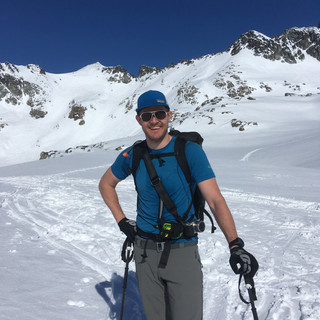
By Coach Ackerley | @themtbfitnesscoach | Take the MTB Fitness Quiz
“The pros train harder — so I should too, right?”
You’d think so. And on paper, it makes sense.
But I’ve even seen elite-level riders fall into the same trap as amateurs: chasing fatigue over function, thinking harder training means better results.
They’re left tired, sore, and frustrated — not because they’re not committed, but because their training isn’t actually designed to support how they ride.
The Problem Isn’t Effort — It’s Misdirected Effort
Most riders I work with aren’t lacking effort.
They’ve followed high-intensity programs that promise to improve everything at once: strength, cardio, explosiveness, toughness, endurance.
But when you try to train everything at the same time — in one chaotic session — nothing gets trained well. What you actually build is:
Joint stress without meaningful strength
Fatigue without adaptation
Fitness that sees a quick bump, but stalls after a year or two
These programs often mimic CrossFit or other general fitness mashups, repackaged for MTB. They’re loud, they’re fast, and they feel productive — until they stop working… or start hurting.
Signs You’ve Fallen Into the Trap
You might be stuck in the chaos cycle if:
You need to get hyped up just to work out
Your motivation swings with how “hard” the session looks
You’re playing whack-a-mole with muscle strains and soreness
You feel smoked after workouts, but your riding isn’t improving
Your fitness peaked early — and now you’re stuck
These aren’t signs of a weak athlete. They’re signs of a rider stuck in a system that’s burning through their time and energy without building anything lasting.
Your Training Should
Support
Riding — Not Compete With It
Dryland training isn’t about proving how hard you can work.
It’s about:
✅ Building resilience in key movement patterns
✅ Improving force production and control
✅ Supporting your riding, not replacing it
✅ Reducing injury risk and recovery time
✅ Creating a system that gets better over time, not just harder
When you train smart, your bike performance goes up — even if your gym sessions feel simpler. You recover faster, ride longer, and avoid those creeping overuse injuries that derail entire seasons.
Who Is Chaos-Style Training Really For?
In my experience, these programs tend to attract two kinds of riders:
Riders who haven’t yet learned how dryland training really supports MTB
(They assume “more sweat = more benefit.”)
Riders who know better — but can’t stomach the attention to detail required, and rely on intensity to stay motivated
(Even if it’s holding them back.)
Neither approach supports long-term development. You end up spinning your wheels, or worse — sidelined with preventable issues.
What Smart MTB Training Actually Looks Like
Smart riders want a training plan that matches what they actually need — not just what feels hard.
That means:
Targeted strength that improves control and durability
Specific energy system work that fits your riding style
Progressions that respect your training age and injury history
A system that builds, not just burns
This is what I coach every day. And it’s what helps riders go from injured or stagnant to strong, consistent, and confident on the bike.
Ready to Train Smarter?
Whether you’re rebuilding after injury, stuck on a plateau, or just ready to do things right — I’ve got you.
📲 Take the MTB Fitness Quiz and get clear on your best next step:
Or DM me on Instagram @coachackerley with the word “MTB STRONG” — I’ll send you the strategy.
No hype. Just smart training that works.
Comments